
How Atlanta’s Intermodal Rail Network Is Reshaping Southeast Distribution
By Hal Justice
If you are moving containers out of Savannah, there’s a good chance you use truck drayage. It’s what your broker quoted, or what your freight forwarder arranged. It works. But Atlanta’s intermodal rail network has grown considerably, and on the right lanes and circumstance, rail is cheaper. The question is whether you’ve looked at it recently.
In this article, you’ll discover:
- How Atlanta’s four primary intermodal yards connect to the Port of Savannah
- What the Gainesville Inland Port and Appalachian Regional Port add to the network
- How each facility serves different directional corridors
- The real speed-versus-cost trade-off for food and CPG shippers
- The questions to ask before defaulting to truck on your next import shipment
The On-Port Starting Point: Mason Mega Rail
Everything starts at the port. Savannah’s Mason Mega Rail Terminal is the largest on-terminal intermodal facility in North America, running 42 double-stack trains per week to Atlanta, Memphis, Nashville, Charlotte, and Orlando via CSX and Norfolk Southern. Cargo moves from vessel to rail in 20 hours. That frequency is what makes the corridor work.
Atlanta’s Four Primary Intermodal Yards
Atlanta has four intermodal rail yards – two on Norfolk Southern, two on CSX – positioned across the metro. Where your distribution center is located will tell you quickly which one makes the most sense.
| Yard | Railroad | Location | Best For |
|---|---|---|---|
| NS Inman | Norfolk Southern | Inside I-285, southeast Atlanta | I-75 north and south and I-85 north and south |
| NS Austell | Norfolk Southern | West Atlanta, off I-20 | Western suburbs and I-20 corridor |
| CSX Fairburn | CSX | Southwest Atlanta, near I-85 | Airport corridor, South Metro Atlanta, I-75 south and I-85 south |
| CSX Hulsey | CSX | Old Fourth Ward, near downtown | I-20, I-75, and I-85 access |
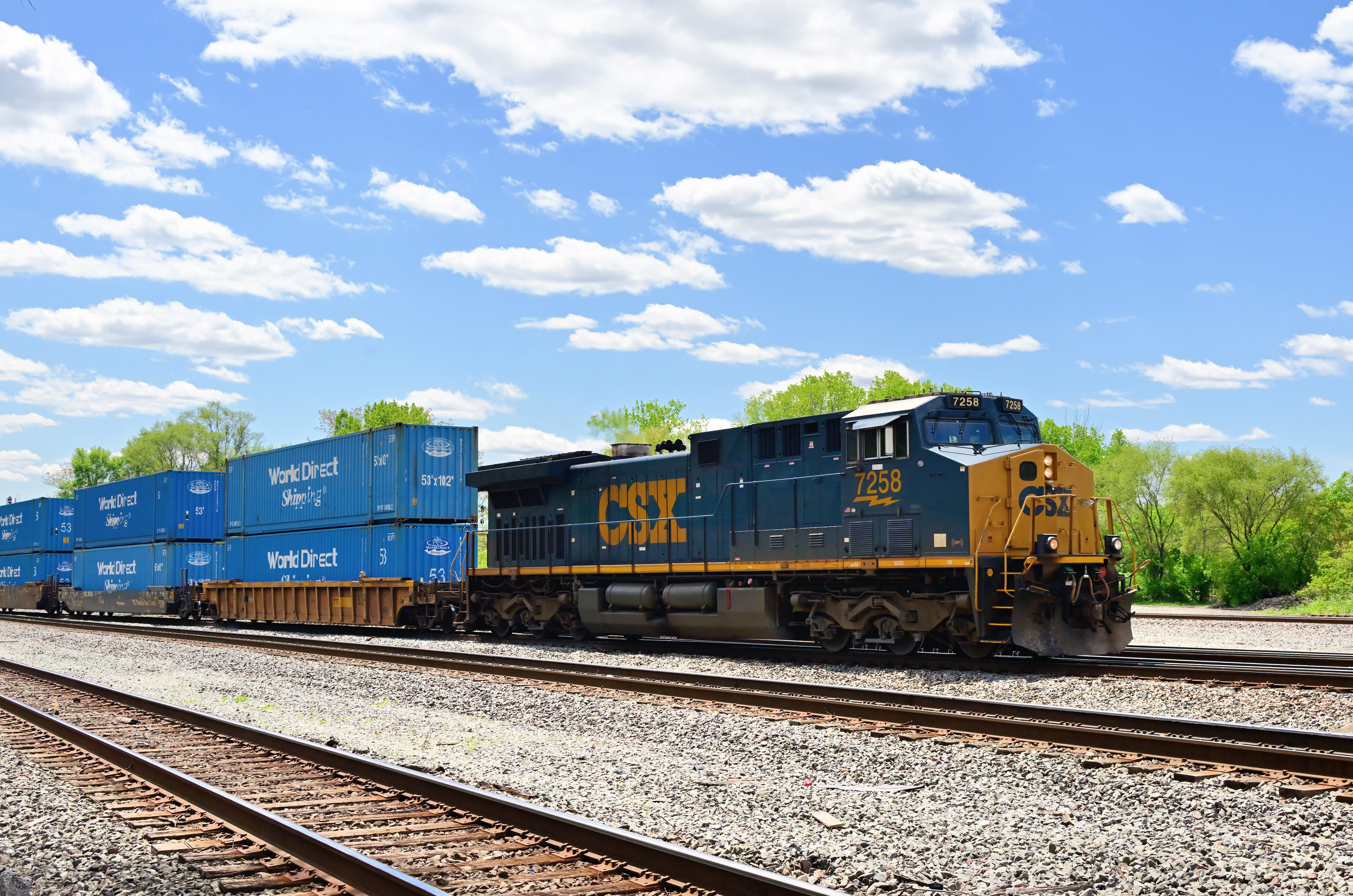
Two Newer Facilities Extending the Network’s Reach
Beyond the Atlanta yards, two inland ports extend Georgia’s rail network into specific directional corridors. These serve shippers who can use a direct rail connection to Savannah without routing through Atlanta.
Gainesville Inland Port
The Gainesville Inland Port opened May 4, 2026, off I-85 about 60 miles northeast of Atlanta, with Norfolk Southern service five days per week. The $134 million facility will handle 200,000 containers per year at full build-out, replacing an estimated 26,000 truck round trips and offsetting 600 roundtrip highway miles per container. If you are shipping from Northeast Georgia or moving product toward Greenville or Charlotte, this is a direct rail option that did not exist before.
Appalachian Regional Port, Crandall
The Appalachian Regional Port sits off I-75 in Murray County, about 90 minutes north of Atlanta. CSX runs daily service on a 388-mile route to Savannah, with a 30-hour transit. Each container offsets 710 roundtrip truck miles. The facility handles 75,000 containers per year and set a record in November 2025 with 3,876 containers moved, up 35% year over year.
Gainesville is your I-85 option moving north and northeast. Crandall is your I-75 option moving north and northwest. They are not two versions of the same thing directionally.
The Trade-Off Every Shipper Needs to Understand
Rail is cheaper. Truck is faster. That is the whole decision. This is becoming more true as the freight rate recession ends and TL spot rates move steadily upward, giving drayage carriers room to raise their rates as well.
On long-haul lanes over 700 miles, intermodal typically delivers 20 to 40 percent cost savings versus full truckload. On shorter corridors like Savannah to Atlanta at roughly 250 miles, savings are real but more modest. Transit runs one to three days versus same-day or next-day drayage by truck.
For food and CPG importers, that extra day or two matters. Freight with a tight retail receiving window, a short sell-by date, low levels of safety stock, or a strict OTIF requirement cannot absorb the added transit time. Rail works well for buffer stock replenishment, secondary lanes, and imports with enough lead time built in. It is not a swap for urgent drayage.
Rail vs. Truck Decision Criteria for Food and CPG Shippers
| Factor | Rail Makes Sense | Stick With Truck |
|---|---|---|
| Transit flexibility | Freight can absorb 1 to 2 extra days | Same-day or next-day required |
| Volume consistency | Regular volume on predictable lanes | Sporadic or variable shipments |
| Retailer compliance | Lead time buffer before receiving window | Tight OTIF window with no slack |
| Product shelf life | Shelf-stable or long-dated product | Short sell-by window |
| Ramp proximity | Final destination within 100 miles of a ramp | Long drayage leg from nearest ramp |
What to Ask Before You Default to Truck
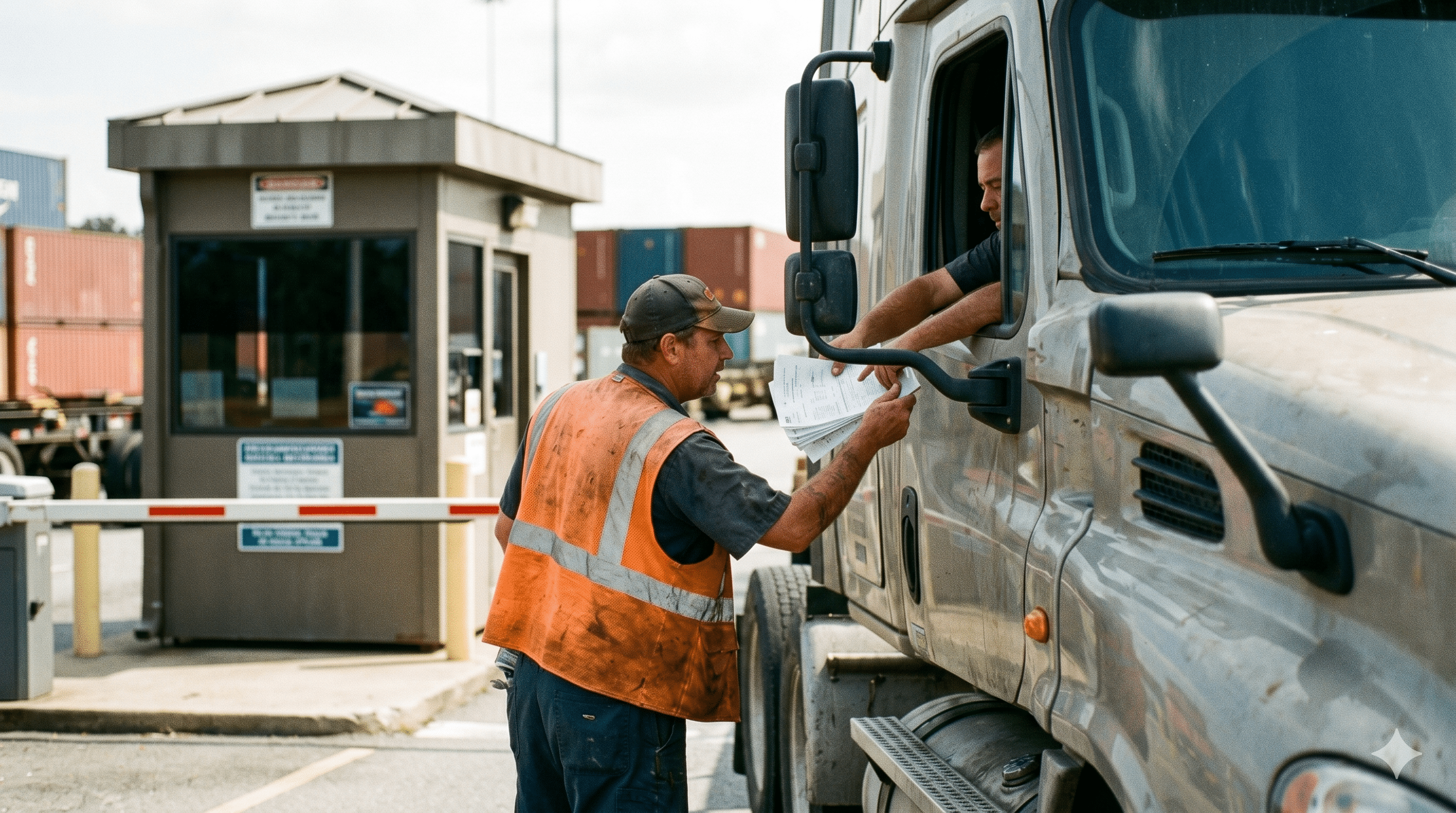
The shippers not using rail are not necessarily choosing to pay more for truck. They just never asked. Here are the questions worth raising before the next shipment gets booked.
- Which ramp is closest to my distribution center? The four Atlanta yards and two inland ports cover different parts of the metro area. It takes about five minutes to figure out which one is yours.
- How much transit flexibility does this shipment actually have? Not theoretical lead time. The real gap between container arrival and when product needs to be on the dock.
- What is the per-container cost difference on this lane? Savings on a 250-mile corridor are real but not dramatic. On longer secondary lanes, they widen considerably.
- Is this a consistent lane or a one-off move? Intermodal pricing improves with volume commitment. A regular lane is a different conversation than a sporadic import.
- Does my freight require temperature control? Standard intermodal containers are not temperature controlled. Confirm equipment availability and cost on your lane before treating rail as an option.
Hot Tip: The Savannah-to-Atlanta segment is on the shorter end of where rail savings are most pronounced. If freight moves from Atlanta to Nashville, Charlotte, or Memphis as a secondary leg, the case for rail gets significantly stronger. Think about the full distribution lane, not just the port-to-Atlanta piece.
The Network Is Built. The Question Is Whether You Are Using It.
The four primary yards, the Gainesville Inland Port, and the Appalachian Regional Port in Crandall are all part of a connected system with multiple entry points depending on where your freight is going. Shippers leaving money on the table are not making a calculated choice. They just have not looked at rail lately.
If you want to understand how transportation and warehousing services connect to Atlanta’s rail network for your specific lanes, Atlanta Bonded Warehouse works with food, beverage, and CPG importers across the Southeast. Contact us to discuss your requirements.
Frequently Asked Questions
What are the four primary intermodal yards serving Atlanta?
NS Inman and NS Austell on the Norfolk Southern network, and CSX Fairburn and CSX Hulsey on CSX. Each is positioned in a different part of the metro depending on where your operation is located.
How does the Gainesville Inland Port differ from the Appalachian Regional Port?
They serve different directional corridors. Gainesville is off I-85 northeast of Atlanta, positioned for freight moving north and northeast into the Carolinas and Atlantic Coast via Norfolk Southern. Crandall is off I-75 in Northwest Georgia, connecting to CSX service headed north and northwest into Alabama, Tennessee, Kentucky, and the Midwest.
Is intermodal rail a good fit for temperature-controlled food freight?
Standard intermodal containers are not temperature controlled. Equipment (portable refrigeration units) exists for refrigerated moves but availability varies by container company and, not surprisingly, time of year. Confirm before committing. Shelf-stable freight is a straightforward fit on lanes that meet the transit time and volume criteria.
How much can a shipper realistically save choosing rail over truck?
On long-haul lanes over 700 miles, 20 to 40 percent versus full truckload is documented. On shorter corridors like Savannah to Atlanta at roughly 250 miles, savings are real but more modest. Run the numbers on your specific lane including drayage at both ends. We expect drayage rates will be moving higher.
What is Mason Mega Rail?
The on-port intermodal facility at Savannah’s Garden City Terminal. Largest of its kind in North America, handling 42 double-stack trains per week. It is the starting point for all rail moves out of Savannah to Atlanta and other inland destinations.
What volume do I need to make intermodal worth evaluating?
No hard minimum, but rail economics improve with consistency and volume. If you are moving several containers per month on the same lane, a lane-by-lane evaluation is worth the conversation.