
How Switching 3PL Providers Turned Around a Site in Crisis
Some distribution operations are not just inefficient, they are failing. One established manufacturer hired a provider many times the size of Atlanta Bonded Warehouse to run a large distribution site, and the provider could not scale the operation. Orders shipped late. The site never ran at full volume. Switching 3PL providers was not a cost-cutting move. It was a rescue.
The Challenge: An Operation Failing on Service and Cost
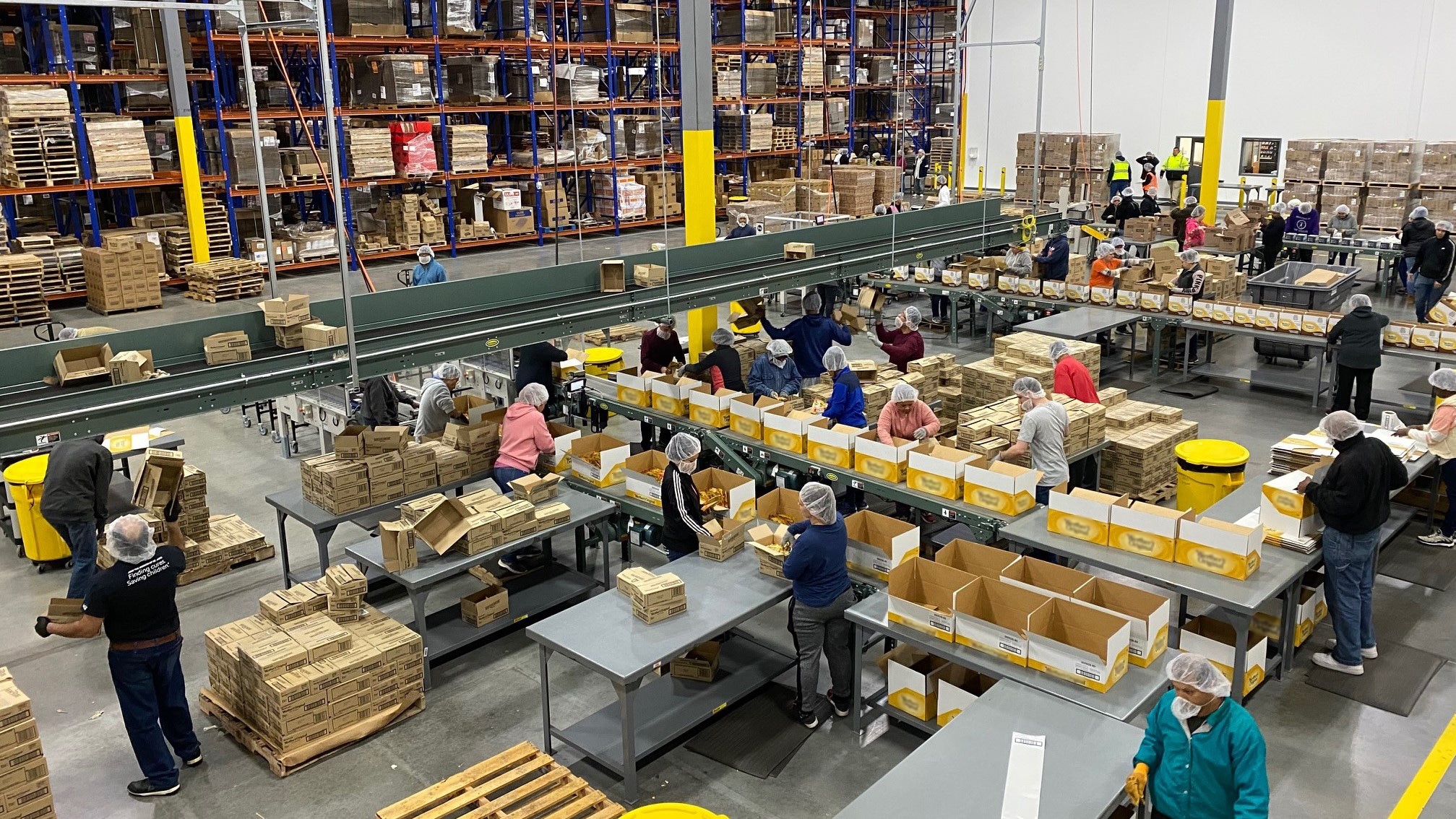
The site was designed to handle more than 1.5 million pallets a year, and the incoming provider never got close. At its peak, the provider could handle no more than 70% of the volume designated for the site, and many orders still shipped late even at reduced volumes. Atlanta Bonded Warehouse sent some of its more experienced people to help the provider recover. The operation never did.
Cost was a problem too, but it was not as critical as serving their customers. Staffing at the site topped 250 people to run just 70% of the designed volume. The bigger failure was service: a struggling operation that could not ship what it promised, during the summer of 2020, when customers had the least tolerance for it.
The manufacturer carried the risk the whole time. When a provider cannot execute, the shipper keeps the liability, as SPS Commerce points out for shippers choosing a 3PL. A site running at 70% of capacity with orders still shipping late is not a problem that gets better with patience. Switching 3PL providers stopped being a someday project and became an urgent one.
“When the call came, we had a team on a plane to take over the site. Everyone knew their part and we started executing right away.”
Facility Operations Manager, Atlanta Bonded Warehouse
The Solution: Switching 3PL Providers Mid-Pandemic
Atlanta Bonded Warehouse took over in the summer of 2020, at the peak of COVID, when labor was scarce and supply chains were under strain everywhere. There was no slow handoff to manage, and no time to wait for easier conditions. The team had a failing site to fix, and it started fixing it.
Fixing the operation meant rebuilding how the site worked, not just who ran it. Atlanta Bonded Warehouse does not build standalone administrative support at each site. It runs customer service, accounting and finance, HR, and transportation management as a shared resource from its central office, so the site itself stays focused on shipping freight. The site kept the people who work the floor, with an experienced team to manage them, and the volume grew from there.
That approach runs through Atlanta Bonded Warehouse’s warehousing operations, and the same urgency showed up when the team built a temperature-controlled network in 30 days. Here is what the takeover covered:
- Dedicated Operation: Atlanta Bonded Warehouse took over running the site during the peak of COVID
- Service Recovery: the site moved from 70% of designed volume to running the full volume
- Shared Customer Service, Accounting, HR, and Transportation Management: handled by a central team instead of a large onsite office
- Lean Site Staffing: a smaller, more experienced onsite team to manage the labor force
“We centralized finance, HR, and billing into a shared team so the site could run lean. Instead of a full standalone office, we needed only a handful of people onsite.”
Facility Operations Manager, Atlanta Bonded Warehouse
The Results: Full Volume, Far Fewer People
The operation now runs the site’s full volume, which has grown since 2020, with 50% fewer employees at the site than the provider needed to run just 70% of the volume. Administrative staff supporting the site also dropped, from more than 25 people to about six.
Service came back first, and the lower headcount followed from how the site was rebuilt to run. That is what switching 3PL providers can do when the new provider fixes the operation instead of throwing more labor at it.
Program Metrics
| Metric | Result |
|---|---|
| Designed annual volume | More than 1.5 million pallets |
| Prior provider’s peak capacity | 70% of designed volume, with orders still shipping late |
| Site headcount under prior provider | Over 250, running 70% of volume |
| Site headcount today | 50% fewer, running full volume |
| Administrative staff supporting the site | From more than 25 to about 6 |
| Transition timing | Summer 2020, during the peak of COVID |
The Bottom Line
A failing operation rarely has one cause. This site was overstaffed and still could not hit 70% of its designed volume. That gap is the clearest sign the problem was how the workflow was run, not just who was doing it.
Shippers are already weighing providers this way. FleetOwner’s coverage of the 2026 Third-Party Logistics Study reports that shippers choose 3PL providers based on performance. A provider that cannot ship on time will not keep the business long, no matter the headcount behind it.
A failing site does not always need a rebuild from scratch, but it does need a provider willing to take it on mid-crisis and fix how it runs. That is what switching 3PL providers made possible here, and it is still paying off years later.
If you are weighing switching 3PL providers, Atlanta Bonded Warehouse can take over a struggling operation and get it running. Better yet, pick the most dependable provider upfront and avoid the need to make a change. Atlanta Bonded Warehouse brings integrated warehousing, transportation, and co-packaging services to the job. Contact us to talk through your requirements.